
Discovery
-
A semi-detached home in Roncesvalles, a heritage loft in Old Town, and a new-build on the Waterfront don't just look different. They transact differently. Each sits inside its own micro-market with its own demand profile, buyer psychology, and pricing logic.
That matters more than most conversations let on. The dominant frame in real estate — year-over-year growth, benchmark shifts, sales ratios, seasonality — is useful context. It's rarely the thing that determines what your specific property does, on your specific timeline. Zooming out is easy. Knowing where you actually stand takes work.
-
Standard real estate practice is mostly one-directional: pitch, list, repeat. Execution is treated as something that takes care of itself.
It doesn't.
What works in one market conditions, at one price point, in one season, often fails in another. Price positioning, marketing strategy, response to early signals — these aren't fixed inputs. They're moving decisions that need to be calibrated to each situation.
The target should then be something closer to process design rather than transaction facilitation. The goal is to maximize the probability of a good outcome, not just get to a signed agreement. There's a difference, and it shows up in results.
-
A transaction involves a lot of people: agents, tradespeople, designers, photographers, videographers, mortgage brokers. Most clients have limited visibility into who those people actually are, how they were selected, or why they're involved at all.
That's worth examining. The quality of execution depends heavily on the network behind it. Not just whether one exists, but whether it's genuinely calibrated to your situation. People who show up and perform, not names filling boxes on a checklist.
Every purchase or sale begins with a discovery
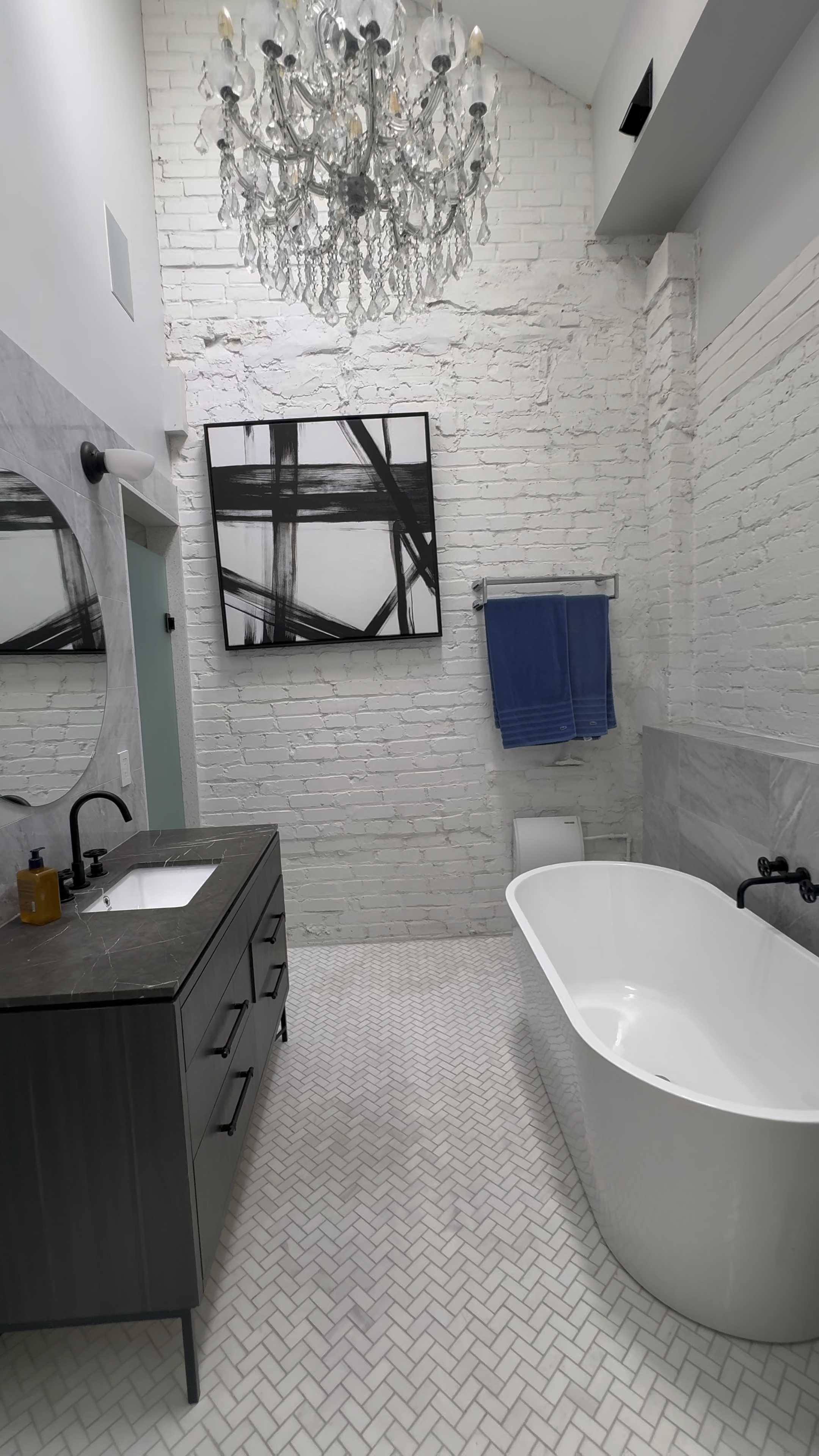
Direction
Every discovery hones a direction
-
Long-term ownership isn't a prediction exercise. It's an asset selection exercise.
Owners with 7–10 year horizons don't need to win every market cycle. They need properties that stay desirable without constant intervention. Neighbourhoods that deepen in demand over time, layouts that age well rather than date quickly, build quality that appeals to the next buyer as much as it did to them.
Time is a form of protection when the underlying asset earns it. When you choose something built to outlast trends, you're not relying on timing to do the work.
-
Not everyone comes to the market to put down roots. That's a legitimate position, not a disqualifying one.
The common assumption is that short horizons require permanence to justify a smart purchase. They don't. A 2–4 year window requires something more specific: clarity on exit. What you're looking for isn't a forever home. It's an asset others will still compete for when you're ready to leave it.
The question isn't how long you'll stay. It's what the next buyer's decision looks like.
-
Investors aren't buying finishes. They're buying the trajectory of demand.
The lobby, the brochure, the developer's brand — none of that drives returns. What drives returns is where scarcity is building, which segments hold in a downturn versus which give back gains first, and which price bands compound steadily rather than spike, stall, and correct.
The relevant questions aren't aesthetic. They're structural. And they require a different kind of conversation than most transactions start with.

Actuaries
~
Creative Directors
~
Public Servants
~
Nuclear Engineers
~
VCs
~
Choreographers
~
Investment Advisors
~
Production Supervisors
~
Interior Designers
~
Data Scientists
~
Actuaries ~ Creative Directors ~ Public Servants ~ Nuclear Engineers ~ VCs ~ Choreographers ~ Investment Advisors ~ Production Supervisors ~ Interior Designers ~ Data Scientists ~
Proudly serviced our city’s…
Connect
Every meaningful discovery starts with a conversation.